
COMMERCIAL FREEZE DRYERS FOR RESEARCH & PRODUCT DEVELOPMENT

Develop, Test and Validate Freeze-Drying Processes with Equipment Designed to Support Scale-Up to Commercial Production.

Develop with commercial production in sight

A useful R & D run answers the next scale up question. 

Use development work to understand product behavior, refine the recipe, define the drying endpoint and collect the yield and cycle data needed for equipment and proaction planning.

 
THE real Question

Will the process remain measurable, repeatable and transferable as the load grows?


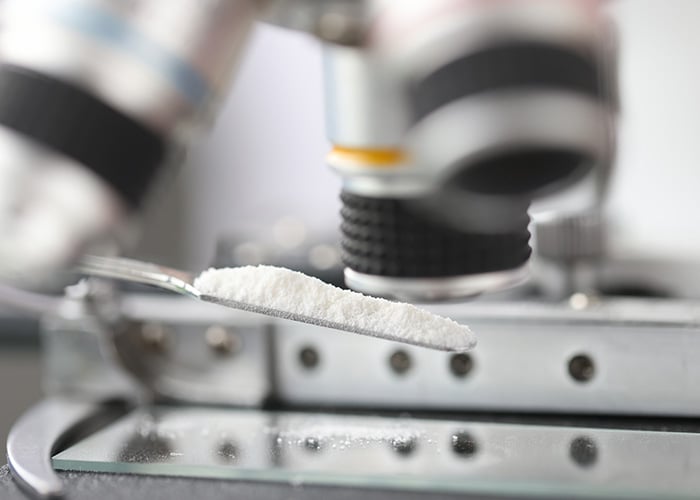
research microscope
Controlled process development

Change one variable. Measure what changes.

Track formulation, freezing, load depth, product temperature, pressure, time and final moisture. Clear records turn into the process. schedule your test run today.

Research + Development Applications

One development platform can support very different product questions.

Food + Beverage Development

Compare ingredients, formulations, textures, formats, rehydration and processing behavior.

Pet + Animal Nutrition

Develop treats, toppers, diets, supplements and ingredients before commercial production.

Nutraceutical Ingredients 

Evaluate botanicals, cultures, proteins, extracts and moisture sensitive formulations. 

Biological Materials

Study cultures, enzymes, biomaterials and research formulations using appropriate analytical methods. 

Agricultural Products

Test plant materials, crop inputs, biological and byproducts for higher value dry formats. 

Process Optimization 

Refine freezing, loading, cycle parameters, endpoint throughout and repeatability.

a successful lab run is not yet a production process

Scale changes heat transfer, vapor flow, loading variability.

Development data should reduce uncertainty, not pretend that it disappears. Equipment geometry, batch size, freezing method, load configuration and facility conditions may require cycle adjustments.

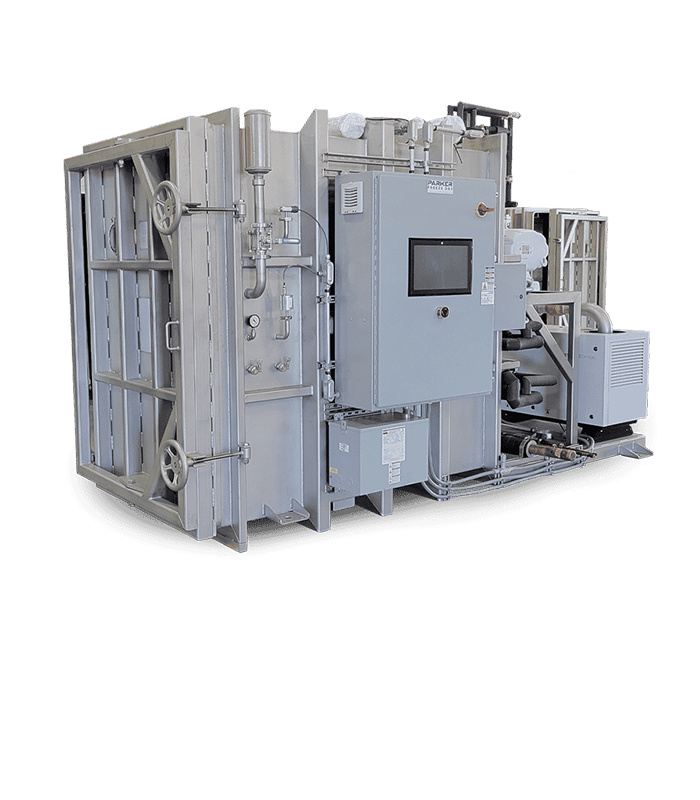
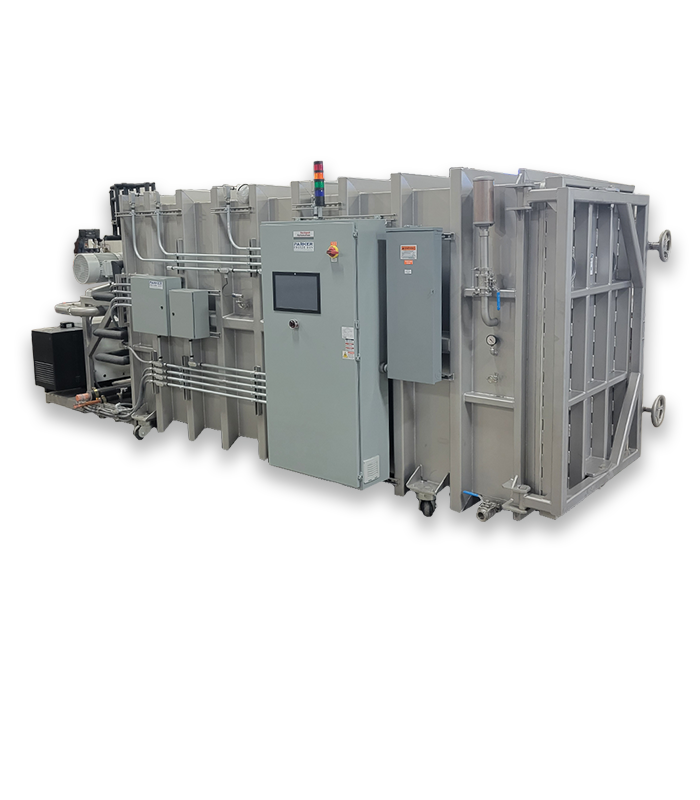
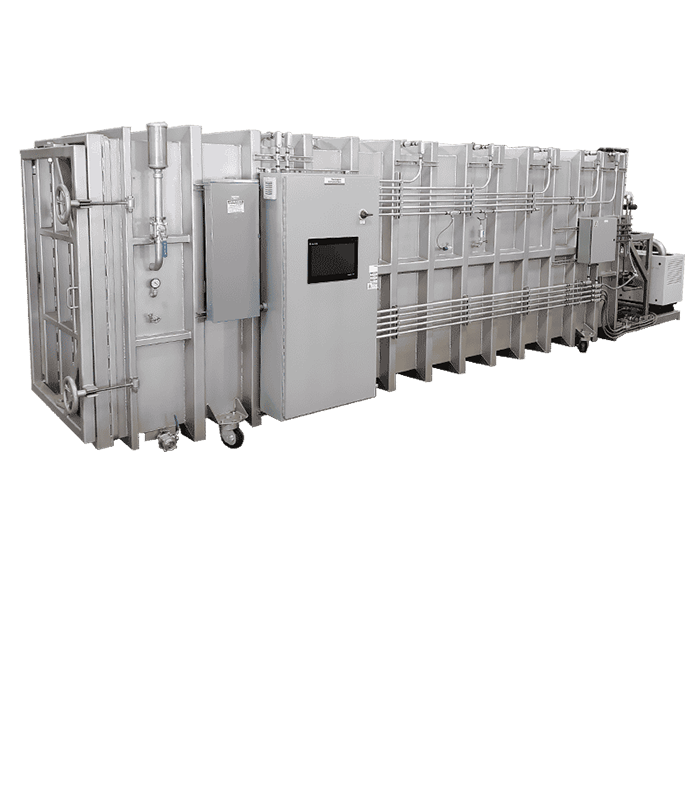
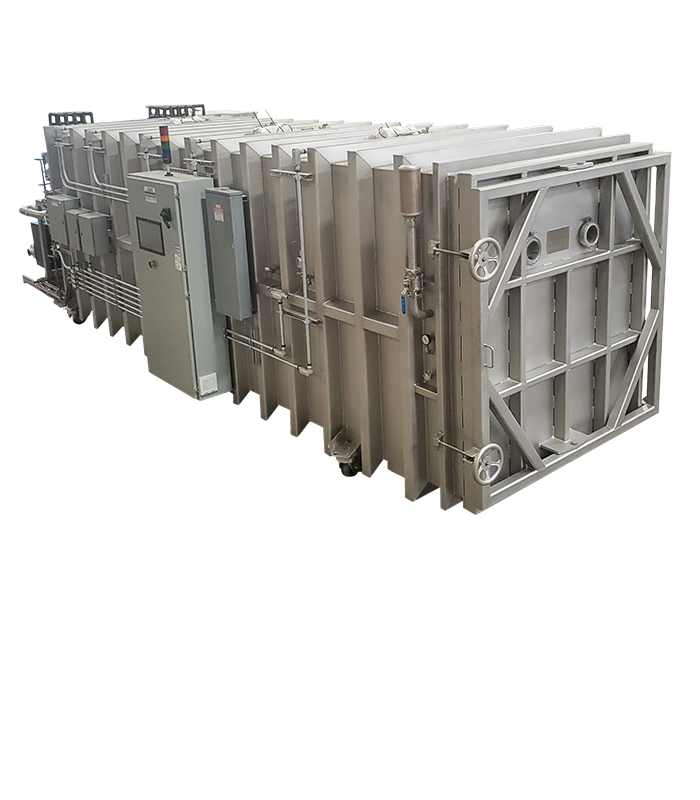
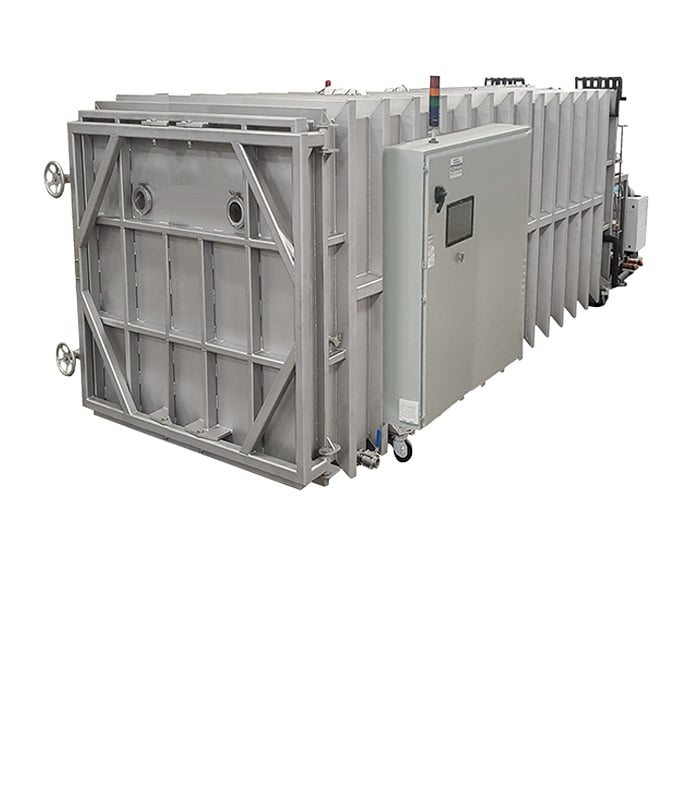
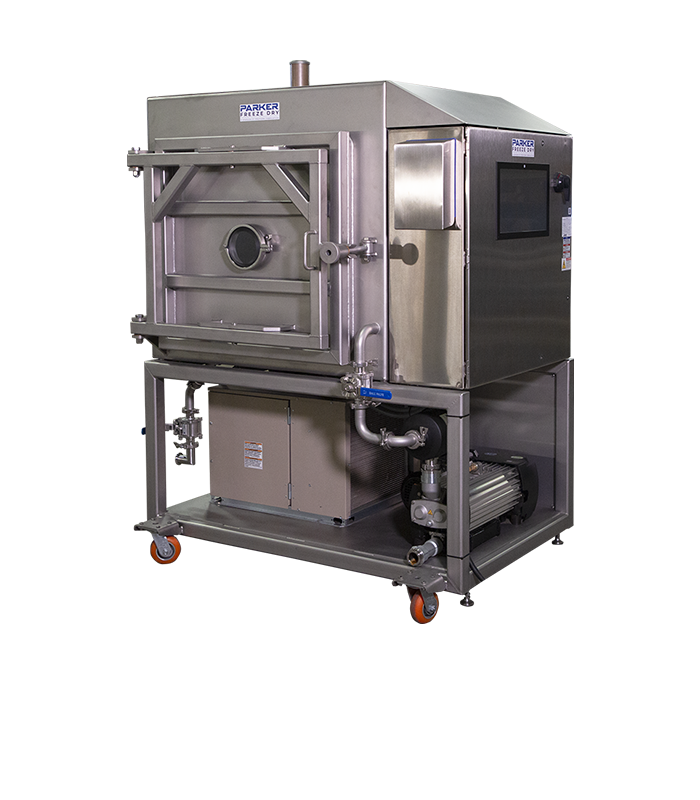
Commercial Freeze Drying equipment

Bridge pilot work and commercial production

The Summit provides a larger development and pilot step, while theParker production line supports commercial volumes. Use process data toplan the transfer.

Research + Development Questions

01.

Will a Summit cycle copy directly to a larger Parker?

Not necessarily. Shared recipe flexibility helps, but load size, geometry and heat and mass transfer can require scale-specific adjustments.

02.

What should be documented during a test?

Record product preparation, batch weight, fill depth, recipe settings, temperature and pressure response, cycle time, yield, endpoint and final quality.

03.

Can R&D data prove shelf life or compliance?

Not by itself. Shelf life, safety, biological activity and regulatory claims require appropriate testing, controls and validation for the intended use.

Develop the Process you Intend to Scale

Start with the product question and a Parker test run.