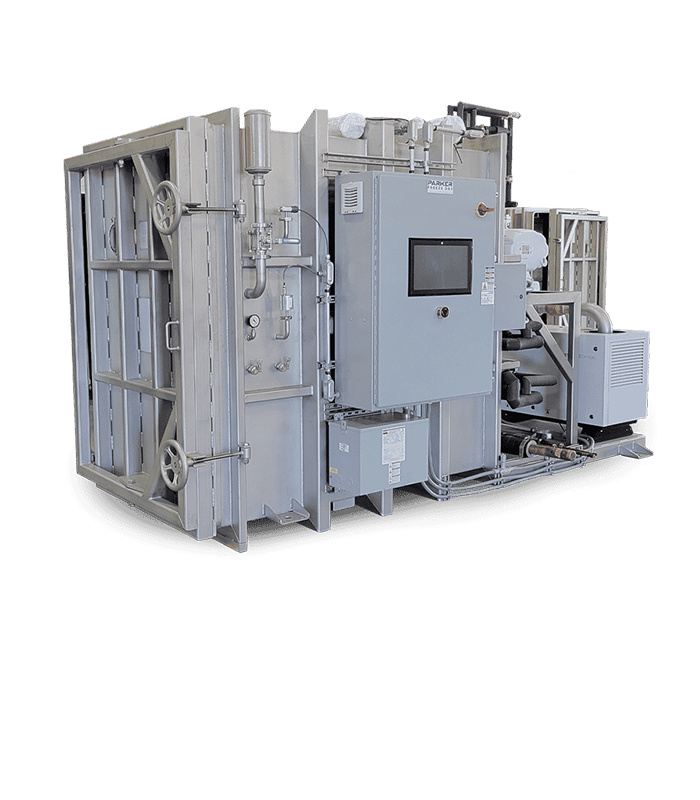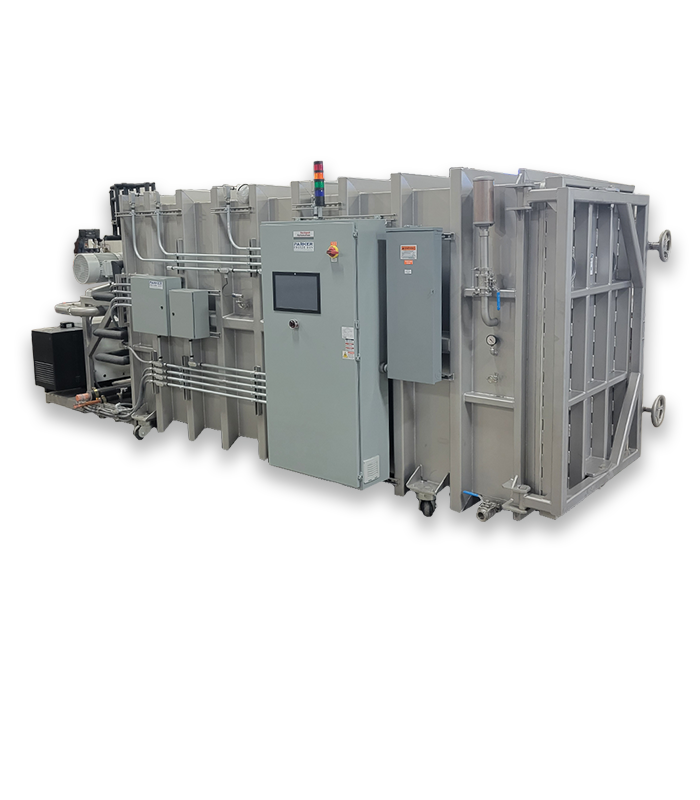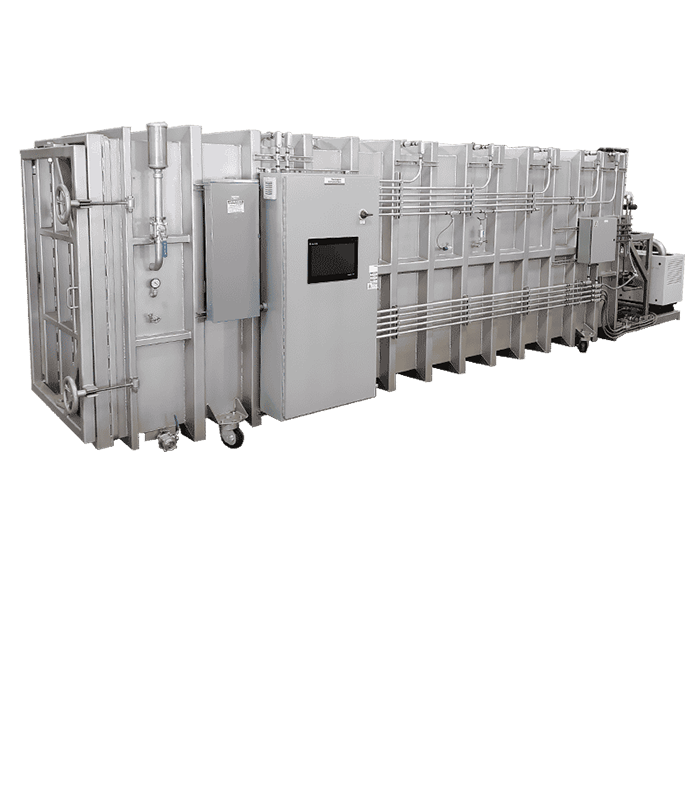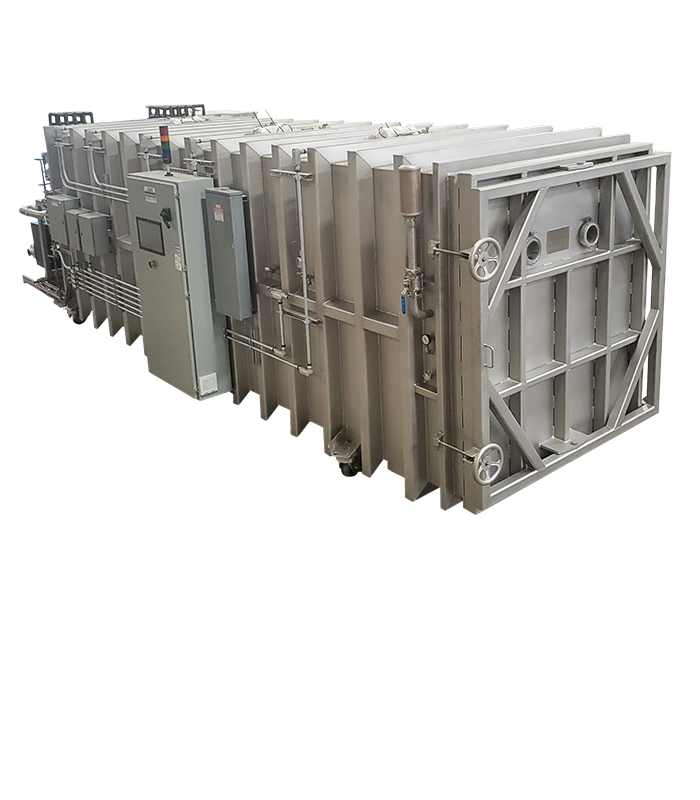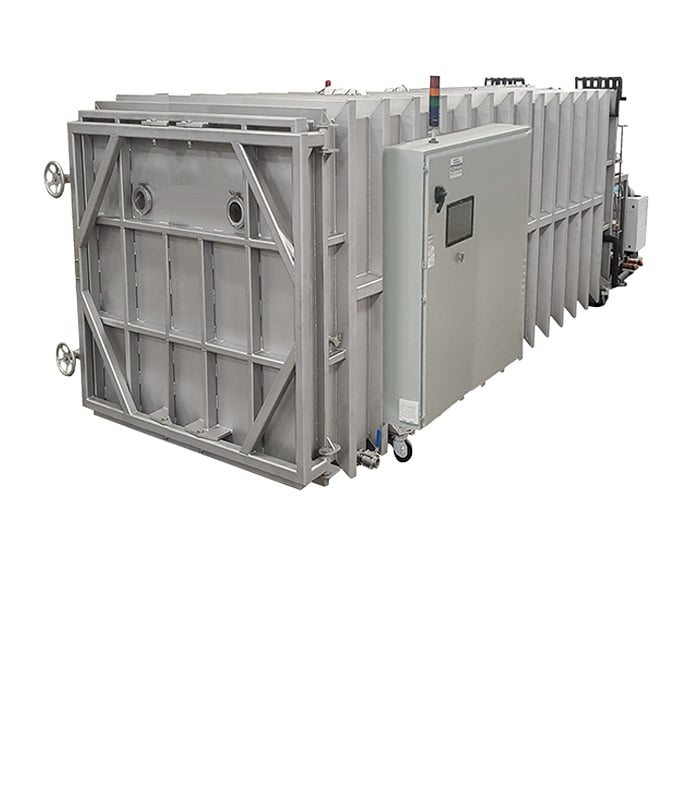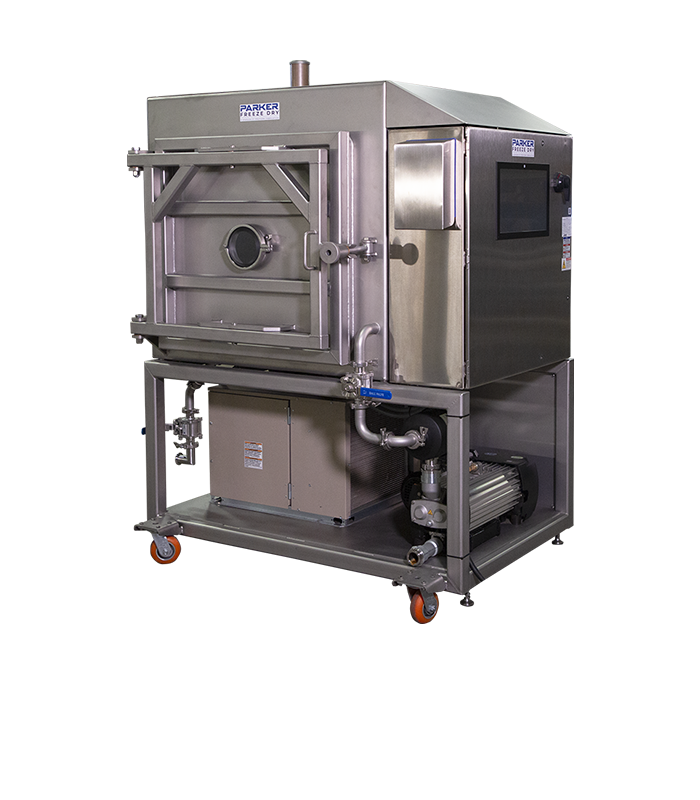

COMMERCIAL FREEZE DRYERS FOR BIOTECHNOLOGY & BIOENGINEERING
Scale Freeze-Drying Processes for Biological Materials, Cultures, Proteins and Specialized Ingredients from Development Through Production.
From biological material to controlled dry format
Build the cycle around the function, structure and recovery that matters.
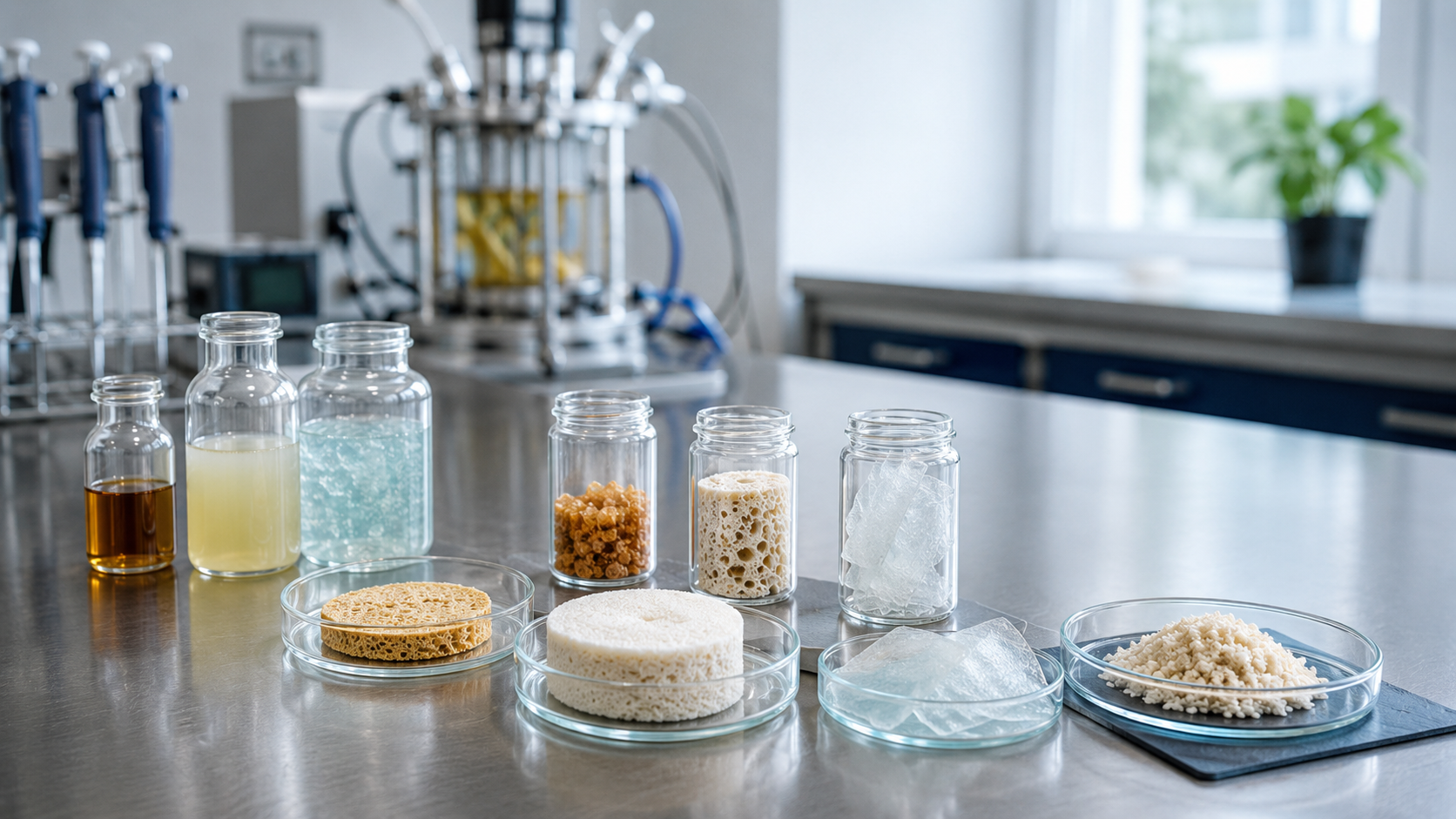
Freeze drying can help convert sensitive biological formulations into dry, porous formats for storage, handling or later constitution. Performance depends on formulations, freezing behavior, process conditions and packaging.

Bioengineering Applications Worth Evaluating
The right process starts with the material and its intended use.
Microbial Cultures
Fermentation products, starter cultures and microbial materials where recovery and viability can be measured.
Proteins + Enzymes
Functional proteins, enzymes and peptides where activity, structure and reconstitution must be evaluated.
Boimaterials + Scaffolds
Hydrogels, porous matrices and engineered materials that require controlled structure after drying.
Research Reagents
Assay components, standards and specialty formulations developed for storage or later reconstitution.
Agricultural Biologicals
Microbial inoculants, biological inputs and related formulations where the process and facility are suitable.
Process Development
Pilot work for formulation screening, endpoint definition, analytical testing and commercial scale up.
Start with the function you need to retain then connect formulation, cycle, handling and testing to that requirement.
That is how a promising development result becomes a repeatable production process.

Determine the result you're after
A successful freeze-drying cycle is one part of a repeatable bioengineering process. Parker helps connect formulation, cycle conditions and equipment selection to the function or structure you need to preserve, while sterility, biological activity and shelf life are verified through the appropriate controls, testing and validation.
Scale from process development to commercial production
Use tested loading, yield and cycle data to select equipment for the material volume, containment needs, facility controls, staffing and schedule.
Scale the Process Without Losing the Result
Start with the material, the critical quality attributes and a Parker test run.